Peruvian Pima Cotton vs Regular Cotton: The Real Difference
There's a reason the world's finest hotels use Peruvian pima cotton sheets. There's a reason luxury dress shirt brands charge three times more for pima cotton than standard cotton. And there's a reason that once most people wear a genuine pima cotton t-shirt, they find it almost impossible to go back.
But what exactly is the difference? And is it real — or just marketing?
Let's break it down honestly.
It All Comes Down to the Fiber
Cotton is cotton, right? Not quite.
All cotton comes from the same plant species, but there are hundreds of varieties — and they vary enormously in quality. The single biggest factor that determines cotton quality is fiber length, also called staple length.
Regular cotton (Upland cotton) has short staple fibers — typically between 1 and 1.1 inches long. It's the most widely grown cotton in the world because it's fast, cheap, and easy to produce at scale.
Peruvian Pima cotton is an Extra Long Staple (ELS) variety with fibers measuring 1.4 inches or longer. Those extra fractions of an inch change everything about how the fabric feels, performs, and ages.
The 5 Real Differences You'll Actually Notice
1. Softness
Regular cotton fibers are short and coarse, with more fiber ends poking out of the yarn surface. Those ends create friction against your skin — that slightly scratchy feeling you get from a standard t-shirt, especially after a few washes.
Pima cotton's longer fibers produce smoother yarn with far fewer exposed ends. The result is a fabric that feels genuinely silky against your skin — not just soft in the way that any new t-shirt feels soft, but soft in a way that actually lasts.
2. Durability
Short fibers create weaker yarn. Weaker yarn means fabric that pills, stretches out of shape, and develops thin patches over time. Most regular cotton t-shirts start showing wear within 20–30 washes.
Pima cotton's longer fibers lock together more tightly, creating stronger yarn and denser fabric. A well-made pima cotton tee can handle 100+ washes and still hold its shape, weight, and structure. It's the difference between a t-shirt you replace every season and one you keep for years.
3. Color Retention
Short-staple cotton absorbs dye unevenly and sits closer to the surface — which is why regular cotton shirts fade quickly, especially darker colors. After 15 washes, that rich black becomes a washed-out charcoal.
Pima cotton's longer fibers absorb dye more deeply and evenly. Colors stay truer, longer. A black pima cotton tee stays black. A navy stays navy. The vibrancy you see on day one is still there on wash fifty.
4. Breathability
The tighter, smoother weave created by long-staple pima fibers allows better airflow than the looser weave of short-staple cotton. This is why pima cotton feels cool and fresh even in warm weather — the fabric moves air rather than trapping it.
5. How It Ages
Regular cotton ages badly. It pills, loses shape, fades, and develops that thin, worn-out look that makes a t-shirt feel disposable.
Pima cotton ages the way good leather does — it softens and breaks in beautifully while maintaining its structure. A pima cotton tee you've worn and washed fifty times often feels better than the day you bought it.
Why Peru Specifically?
Pima cotton is grown in several countries, but Peruvian pima cotton is widely considered the finest in the world. The reason comes down to geography and growing conditions.
Peru's coastal valleys — particularly the Piura region — sit at the edge of the Atacama Desert, one of the driest places on earth. The combination of intense desert sunlight, cool ocean breezes from the Pacific, mineral-rich soil from Andean runoff, and ancient irrigation systems creates growing conditions that simply don't exist anywhere else.
These conditions slow the cotton plant's growth, giving each fiber more time to develop fully. The result is consistently longer, stronger, and more uniform fibers than pima cotton grown elsewhere — which is why Peruvian pima commands a premium even among ELS cotton varieties.
American Pima (also called Supima) is excellent. But among textile experts and luxury fabric buyers, Peruvian pima is consistently rated the gold standard.
What to Watch Out For: "Pima Blend" vs 100% Pima
Here's where it gets important if you're shopping for pima cotton: not everything labeled "pima" is actually 100% pima cotton.
Many brands use pima blends — mixing genuine ELS pima fibers with cheaper short-staple cotton to reduce costs while still being able to market the product as "pima cotton." Technically legal. But the softness, durability, and performance you're paying for drops significantly with every percentage point of regular cotton added to the blend.
The only way to get the full benefit of pima cotton is 100% ELS pima — no blends, no shortcuts.
At Regno, every tee is made from 100% Extra Long Staple Peruvian Pima Cotton. That's not a marketing claim — it's a sourcing standard we built the brand on, because we'd rather charge an honest price for the real thing than cut corners to compete on price.
The Bottom Line
Regular cotton is fine. It's affordable, widely available, and gets the job done. But if you've ever wondered why some t-shirts feel noticeably different — softer, more substantial, better in every way — the answer is almost always the fiber.
Peruvian pima cotton isn't a luxury gimmick. It's a measurable, tangible difference in how a fabric is made and how it performs over time. Once you feel it, regular cotton never quite measures up again.
Experience the Difference Yourself
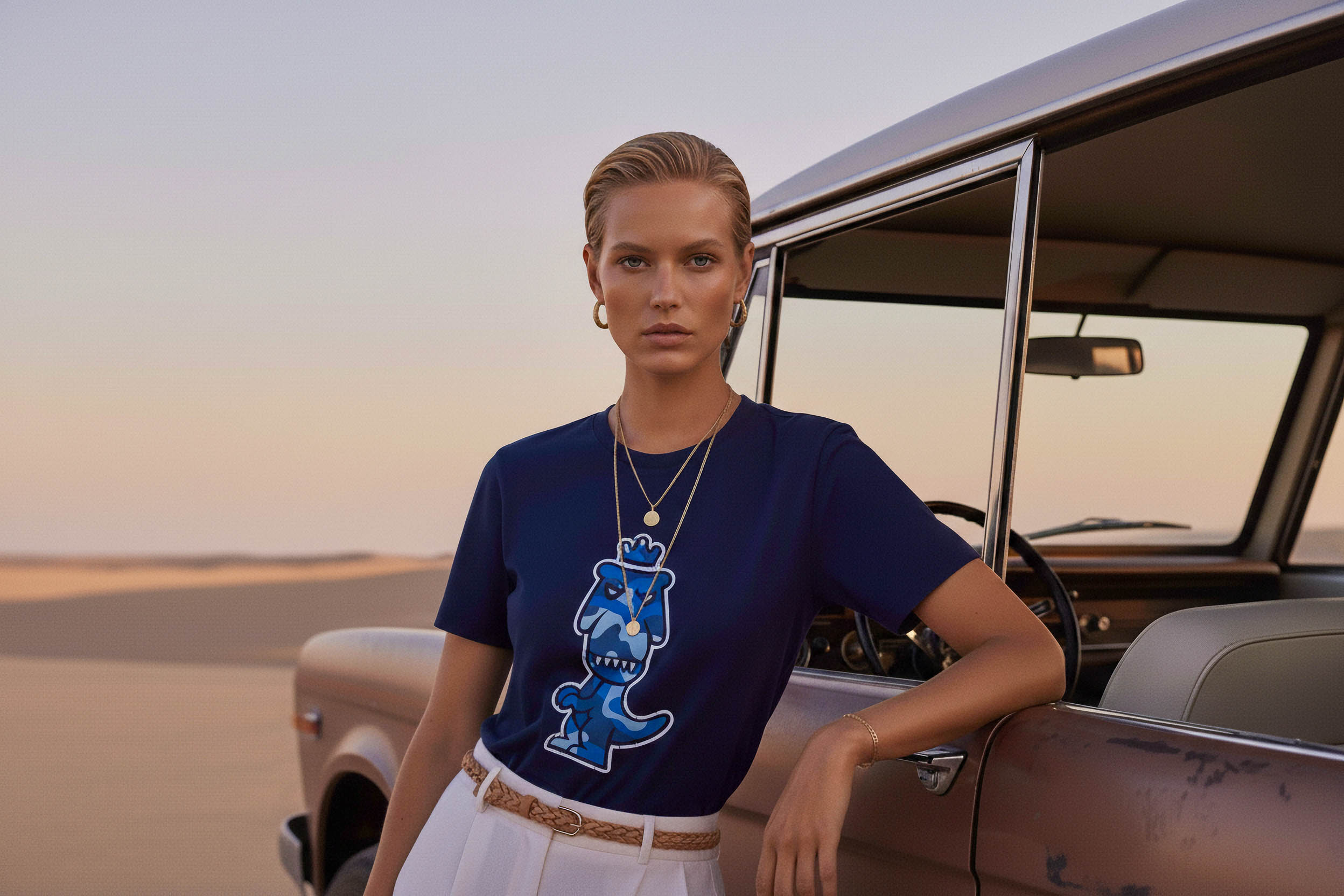
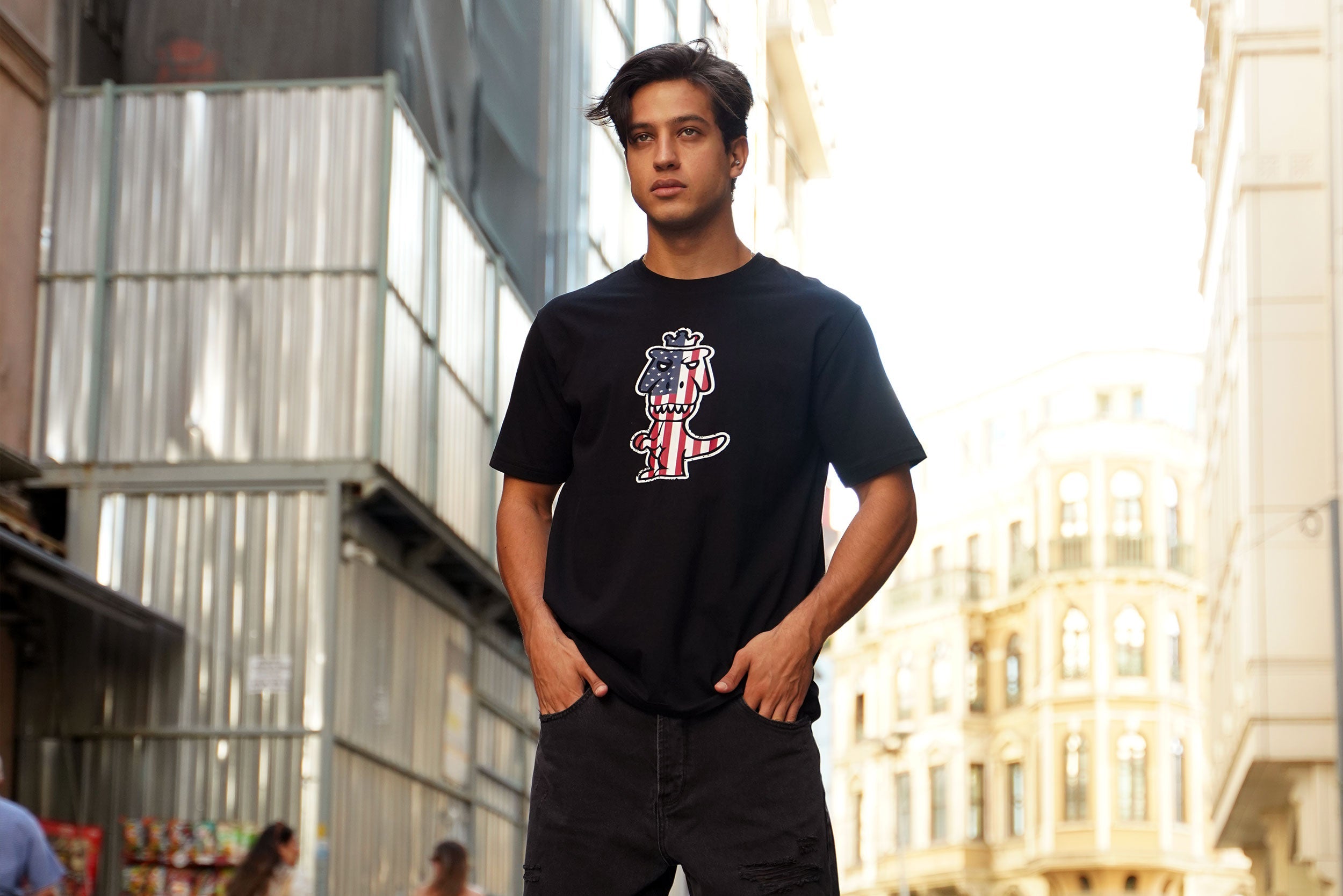
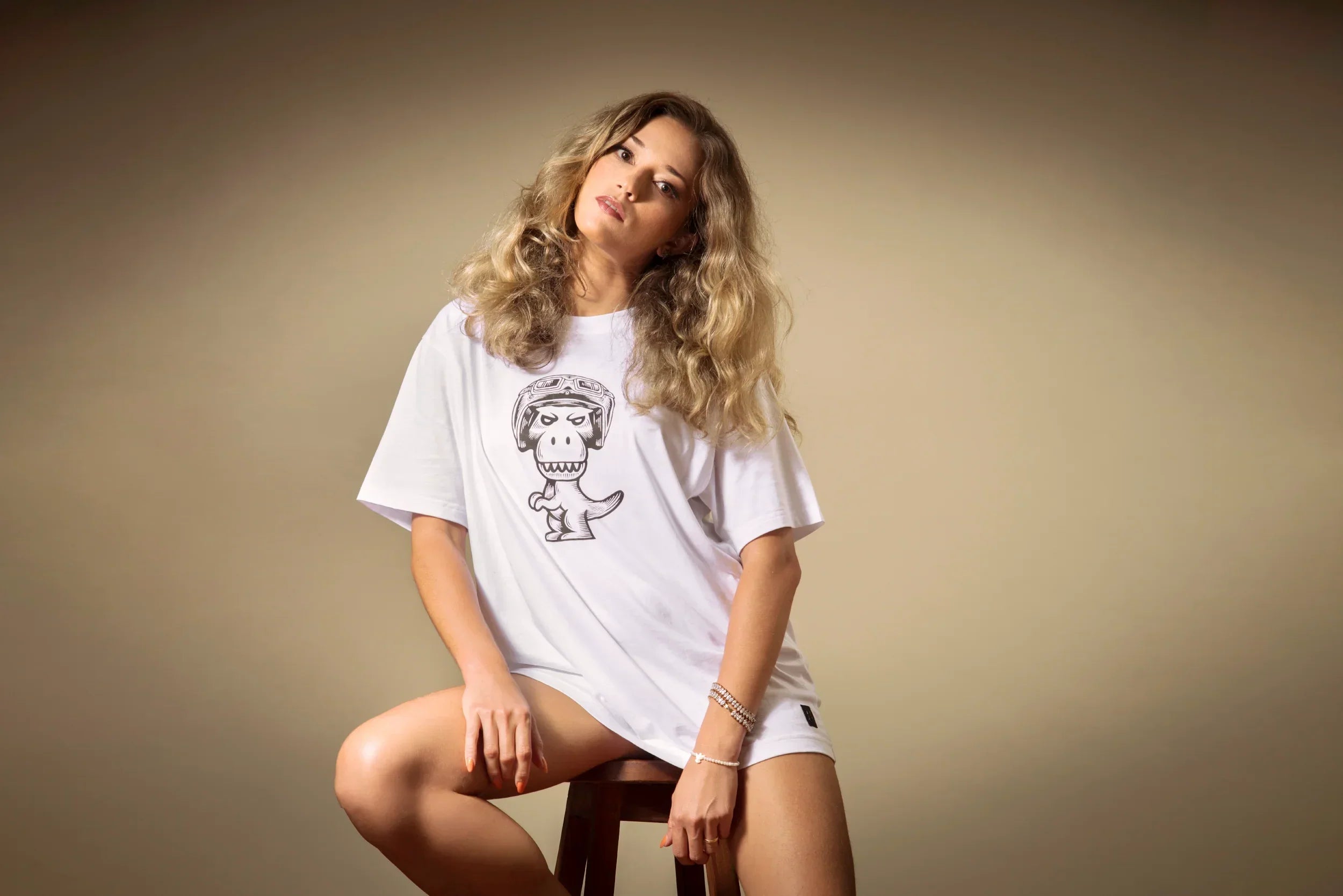
Every Regno T-Rex tee is crafted from 100% Peruvian Pima Cotton — Fair Trade certified, sustainably sourced, and designed in New York City. Free US shipping and returns on every order.

Written by Marcelo Torres